

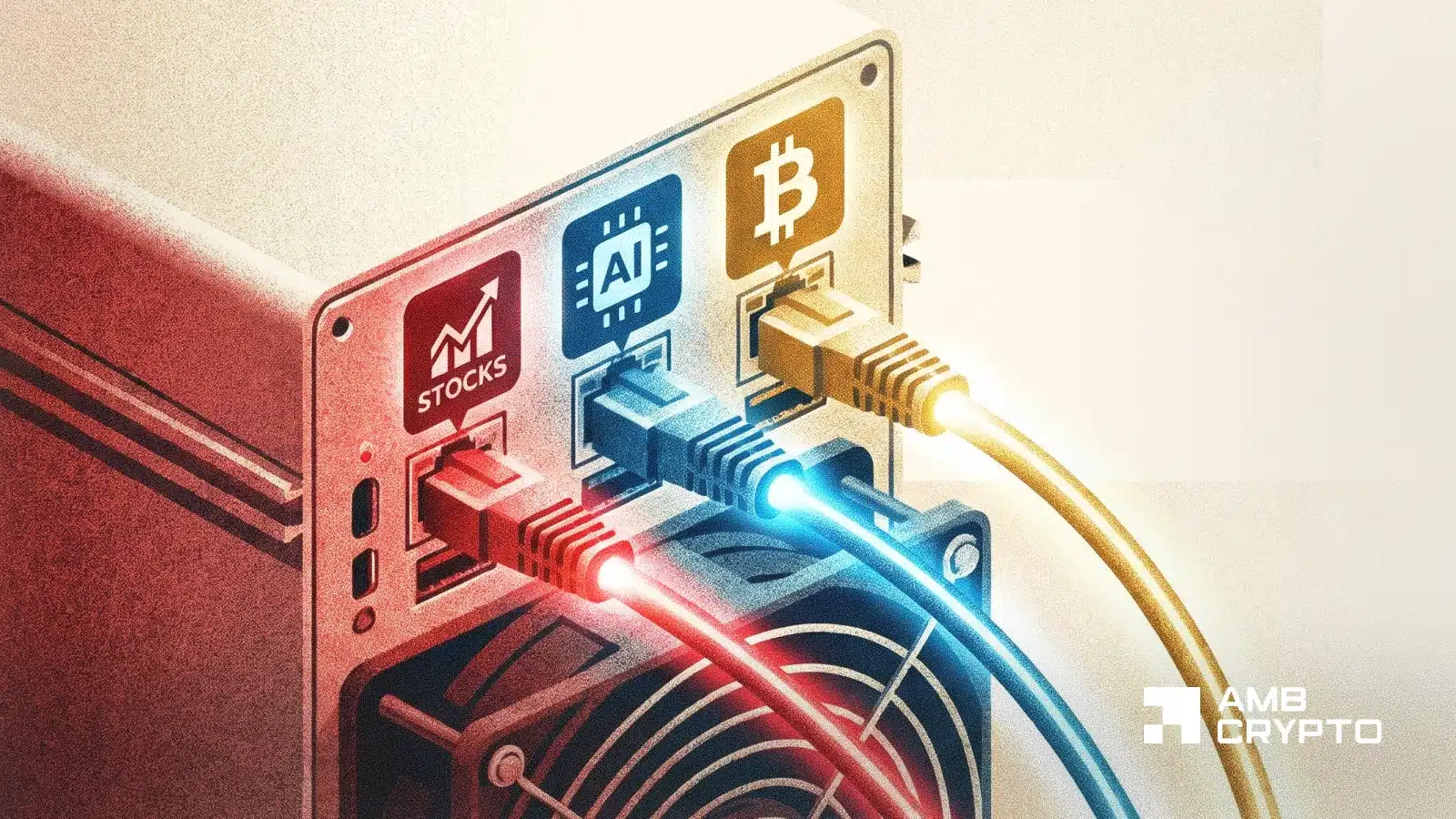
Canaan is reshaping its capital strategy by converting part of its Bitcoin [BTC] treasury into shareholder returns.
Rather than selling assets to strengthen liquidity, the mining hardware maker will fund a $30 million share buyback because its market value trails the combined worth of its crypto holdings and cash.
That discount suggests management believes the stock remains materially undervalued, especially with roughly $130 million in digital assets on its balance sheet. Investors welcomed the decision, sending the stock nearly 9% higher after the announcement.

More importantly, ongoing Bitcoin production provides a flexible funding source instead of leaving the treasury idle. This approach reflects disciplined capital allocation while preserving long-term Bitcoin exposure.
If the valuation gap persists, additional treasury sales could support further repurchases without weakening strategic Bitcoin reserves. That balance could improve shareholder returns while maintaining operational flexibility through future production.
Bitcoin becomes a strategic asset
While Canaan uses its Bitcoin treasury to reward shareholders, MARA adopted a different treasury strategy. The company transferred 6,000 BTC, worth about $384.6 million, to TwoPrime over five hours.
The transactions consisted of multiple 500 BTC transfers. However, these movements do not necessarily indicate selling because TwoPrime also handles institutional asset management. Instead, they point to more active treasury management.
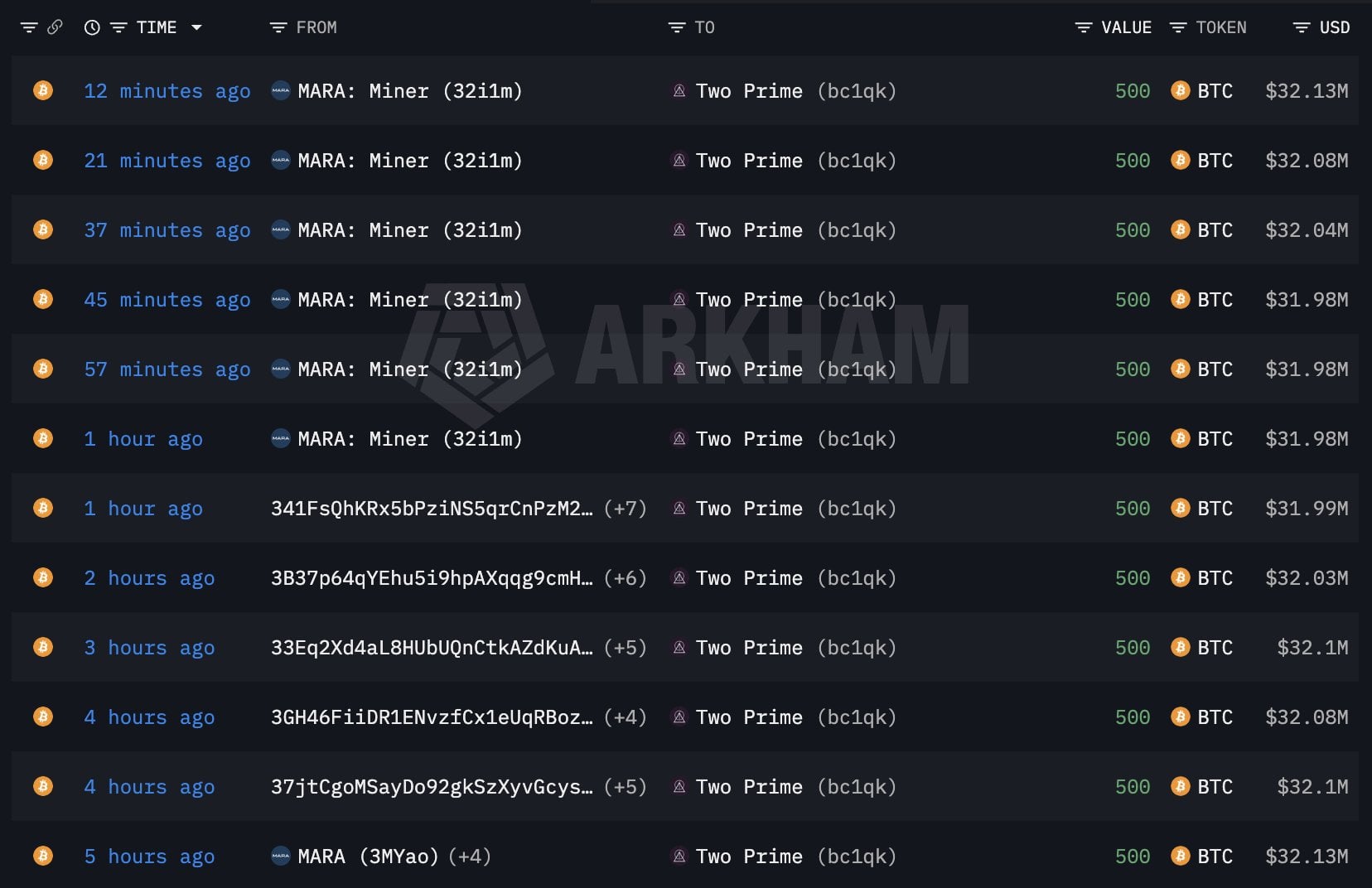
That distinction matters because the coins remained outside exchange wallets.
Together, these developments suggest miners are no longer accumulating Bitcoin passively. Instead, they are managing reserves more strategically and preserving long exposure while improving financial flexibility.
Mining assets become strategic
Beyond treasury optimization, miners are increasingly repurposing existing infrastructure towards AI computing.
Bitdeer has signed a lease worth $4.7 billion for 16 years for its 121 MW campus in Norway, transforming it from a mining-focused site into a long-term AI and HPC facility backed by $1.3 billion in credit support.
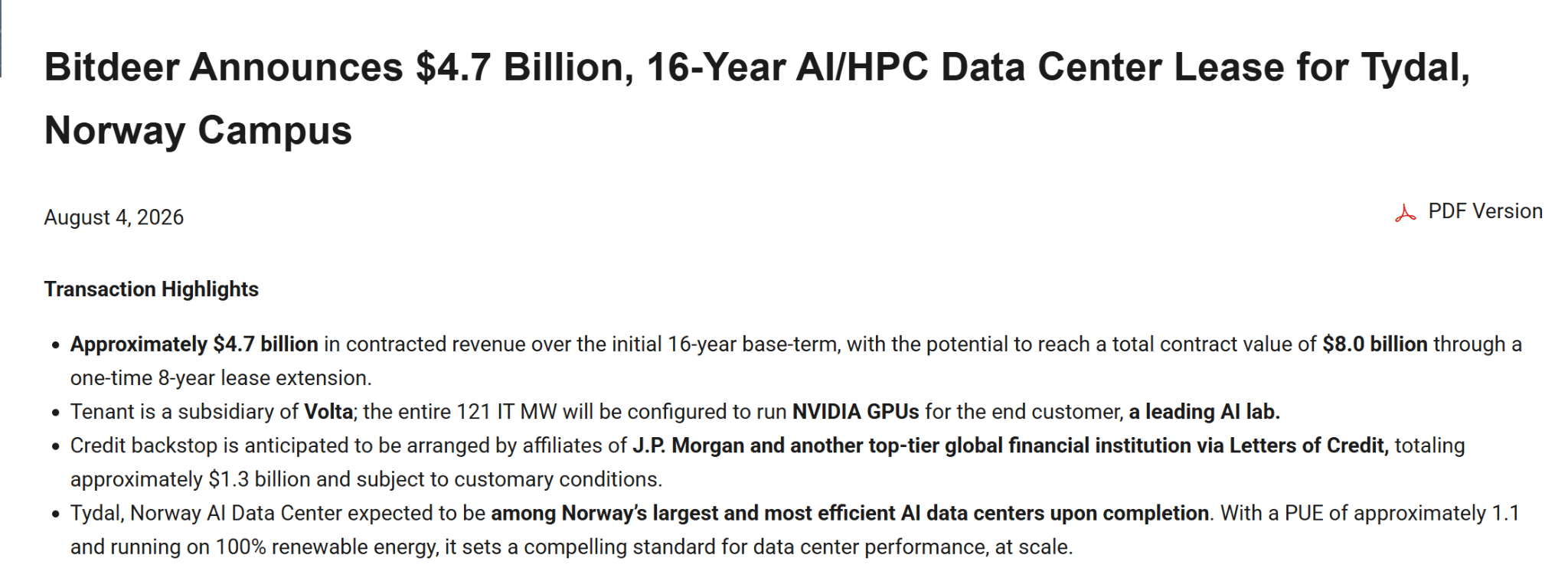
This campus that was focused on mining is now a long-term facility for AI and high-performance computing backed by $1.3 billion in credit support. This shift reflects growing demand for ready power as workloads for AI expand.
Bernstein’s warning that tighter approvals for the grid in Texas could limit new capacity reinforces this strategy. Fewer energized sites entering the market means that facilities that have already been secured for deployment of AI become more valuable.
Long-term contracts and scarce access to power could strengthen the valuation of infrastructure and reduce the reliance of miners on revenue cycles related to mining Bitcoin.
Final Summary
Bitcoin miners are turning treasury assets and infrastructure into strategic growth tools.
Bitcoin is evolving beyond a reserve asset into a driver of long-term capital strategy.

Comments are closed.